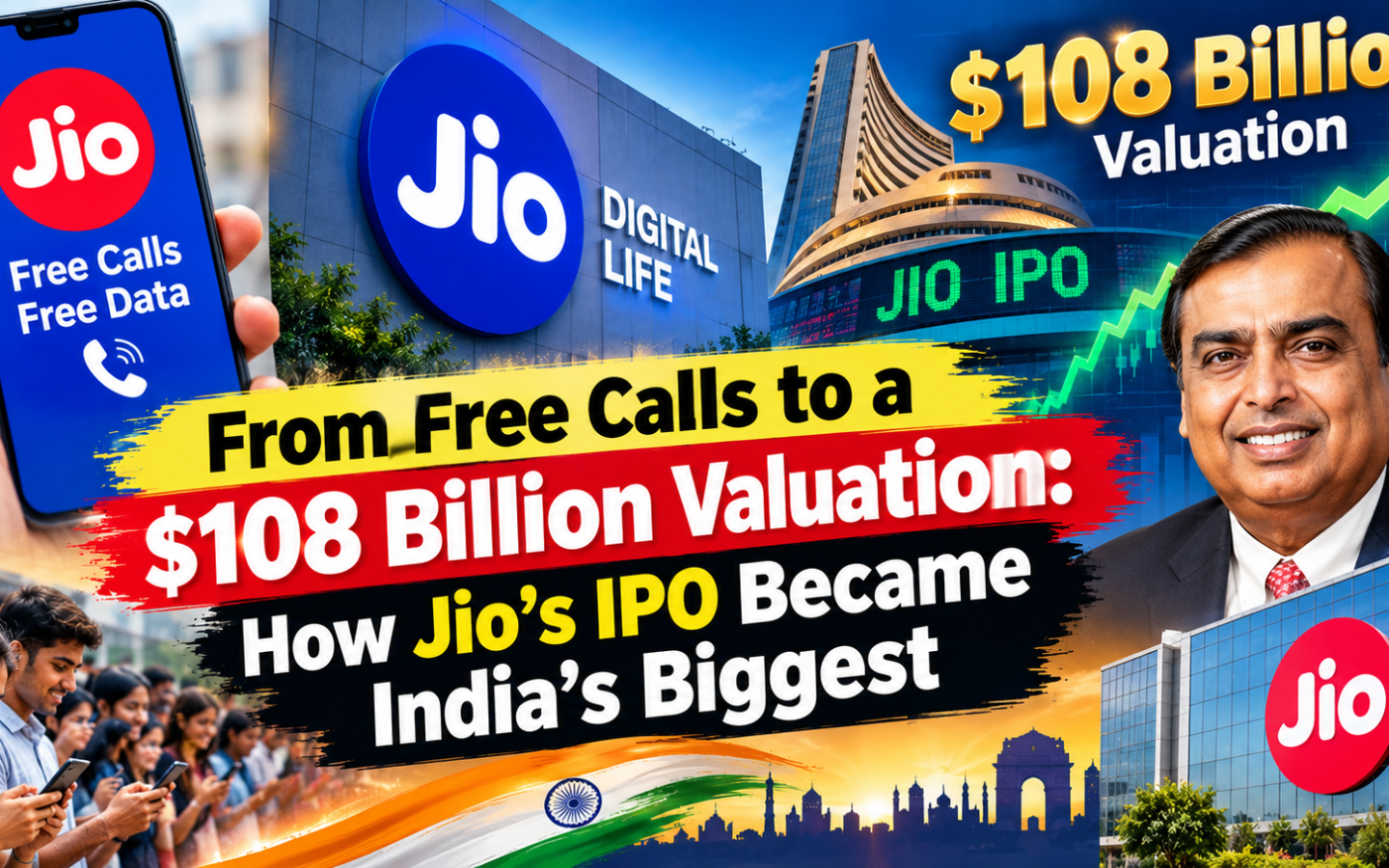
MUMBAI: Investors are rushing to buy into the IPO of Jio Platforms, the telecom and digital arm of billionaire Mukesh Ambani’s Reliance Industries. On Thursday, the second day of bidding, orders were more than four times the number of shares available, and the retail portion was fully subscribed.
At $3.2 billion, this is set to be the largest IPO in India’s history. It is also the first IPO by a Reliance company in 20 years.
Institutions lead, retail follows
Big institutional investors have driven most of the demand. Qualified institutional buyers, such as mutual funds and insurers, bid for 9.78 times the shares reserved for them, according to exchange data.
Retail investors, who have around a third of the issue set aside for them, filled their entire portion within the first two hours of the day. By then they had bid 1.29 times their quota.
One analyst tracking the IPO said the Reliance brand is a big reason for the strong retail interest, because its reach goes well beyond Jio’s telecom business.
A rare start for such a large IPO
The first day of bidding was just as striking. The whole offering was filled within 90 minutes of opening, as institutions picked up their share within minutes. That is unusual in India, where large IPOs usually see most bids arrive in the final hours.
The IPO is also being watched as a sign of how much the world wants new listings, at a time when AI-linked companies face tougher scrutiny. Bidding runs for three days.
Why Reliance shares matter to Indian families
For many Indian families, owning Reliance shares has long been a safe nest egg. The company’s shares have risen about 330 times in value since 1990.
When Ambani announced the listing in June, he called it “a deeply emotional moment” for him, the Reliance family and millions of shareholders.
Part of a bigger plan
The listing is a key part of Ambani’s plan to turn Reliance from an oil-and-chemicals giant into an “everything company” covering consumer businesses, retail and technology.
The IPO values Jio Platforms at up to $108.3 billion. When trading starts on October 28, it could become one of India’s biggest companies by market value.
How Jio changed India
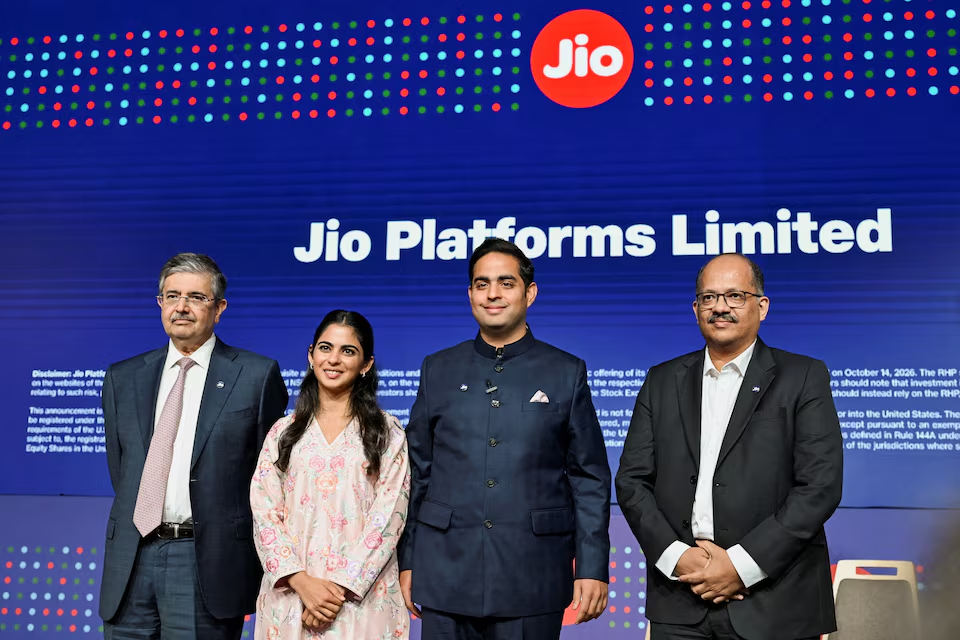
Jio’s telecom arm, led by Ambani’s son Akash, began with a big gamble in 2016. The bet was that cheap data would make Indians spend far more time online. Low prices and free voice calls pulled subscribers away from rivals like Bharti Airtel and Vodafone Idea very quickly.
Today, more than 500 million Indians use Jio. It is India’s biggest telecom operator and, among carriers serving a single country, is behind only China Mobile.
Jio helped bring streaming, digital payments and online services to millions of people. Its next phase focuses on 5G, home broadband, and cloud and AI services.
One thing to note: about 90% of Jio’s revenue still comes from telecoms, so its growth in those newer areas is yet to be proven.