New Delhi, October 15, 2026: The Supreme Court of India today took up notices against the Election Commission of India (ECI), Chief Election Commissioner Gyanesh Kumar and two other Election Commissioners on a petition filed by Congress leader Rahul Gandhi and other leaders of the INDIA bloc. The case involves challenges against certain decisions made regarding the Special Intensive Revision (SIR) of electoral rolls.
Chief Justice of India (CJI) Surya Kant also delivered sharp comments about the opposition leaders’ protest march to the Supreme Court on October 12. CJI said that no one can threaten or put pressure on the judiciary with their protests. The issuance of notices does not reflect any approval of the actions of leaders during the march, it was clarified. Source: Times of India and NDTV Profit.
Why Did Rahul Gandhi and Other Leaders File a Case in Supreme Court?
Leader of the Opposition in the Lok Sabha Rahul Gandhi and other INDIA bloc leaders have shown concern over the process of voter list revision by the Election Commission. The SIR process involves a detailed scrutiny of electoral rolls, which helps in checking and updating the voter list. The leaders of opposition claimed that the process would end up removing the names of eligible voters.
By filing this petition, the leaders want to seek legal intervention on these grounds. In response to the matter brought by these leaders, the Supreme Court has sought responses from the ECI, the Chief Election Commissioner, and other two Election Commissioners regarding the matters of the case.
Why Did CJI Criticize the Protest?
These remarks came after a criticism made by the Solicitor General Tushar Mehta and Advocate Gaurav Bhatia against the protest organized outside the Supreme Court.
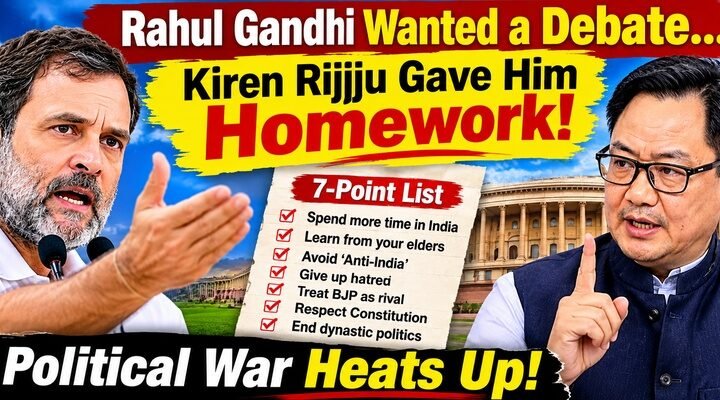
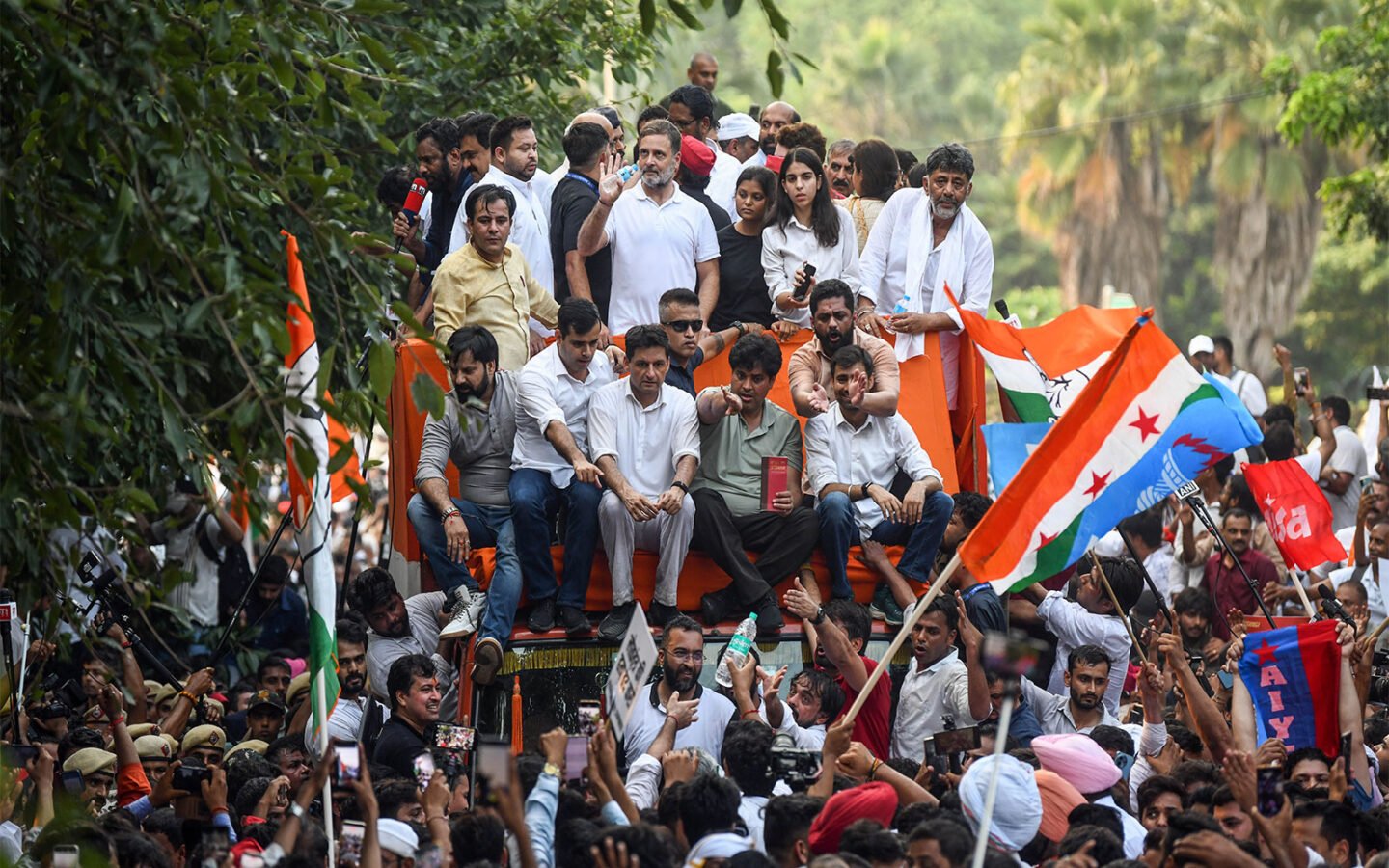
On October 12, Rahul Gandhi and several opposition leaders led a march in New Delhi to raise concerns about the voter list revision process and demand action against the Chief Election Commissioner. Thousands of supporters joined the demonstration.
During Thursday’s hearing, CJI Surya Kant said that the court would seek an explanation from Rahul Gandhi regarding his conduct during the march. The Chief Justice also questioned how crowds had entered the Supreme Court premises.
Notices have been sent out to Rahul Gandhi, Akhilesh Yadav of the Samajwadi Party and others taking part in the march by the court.
The Chief Justice had clearly said that the behavior of these people will be examined without relating to the issues raised in the petition regarding the elections.
Supreme Court Instructs Preserving CCTV Footage
In another development related to these protests, the Supreme Court instructed the concerned law enforcement agencies to preserve CCTV footage relating to the protests recently witnessed by them, including the footage from the Supreme Court premises.
The Supreme Court is now also hearing a separate case concerning the removal of Jantar Mantar from the list of designated protest locations in Delhi.
These developments are taking place at a time when there is considerable discussion both legally and politically, relating to restrictions in regard to protesting, policing, and functioning of the Election Commission.
What Will Happen Next?
The Supreme Court will examine the answers received from the respective authorities as well as the legal arguments in the said petitions.
The case has brought two important issues into focus: concerns over the voter list revision process and the limits of demonstrations around judicial institutions. The court’s next steps may help clarify how these disputes should be handled under the law.
For now, the Supreme Court has issued notices and sought responses. No final decision has been announced on the allegations concerning the voter list revision process.