


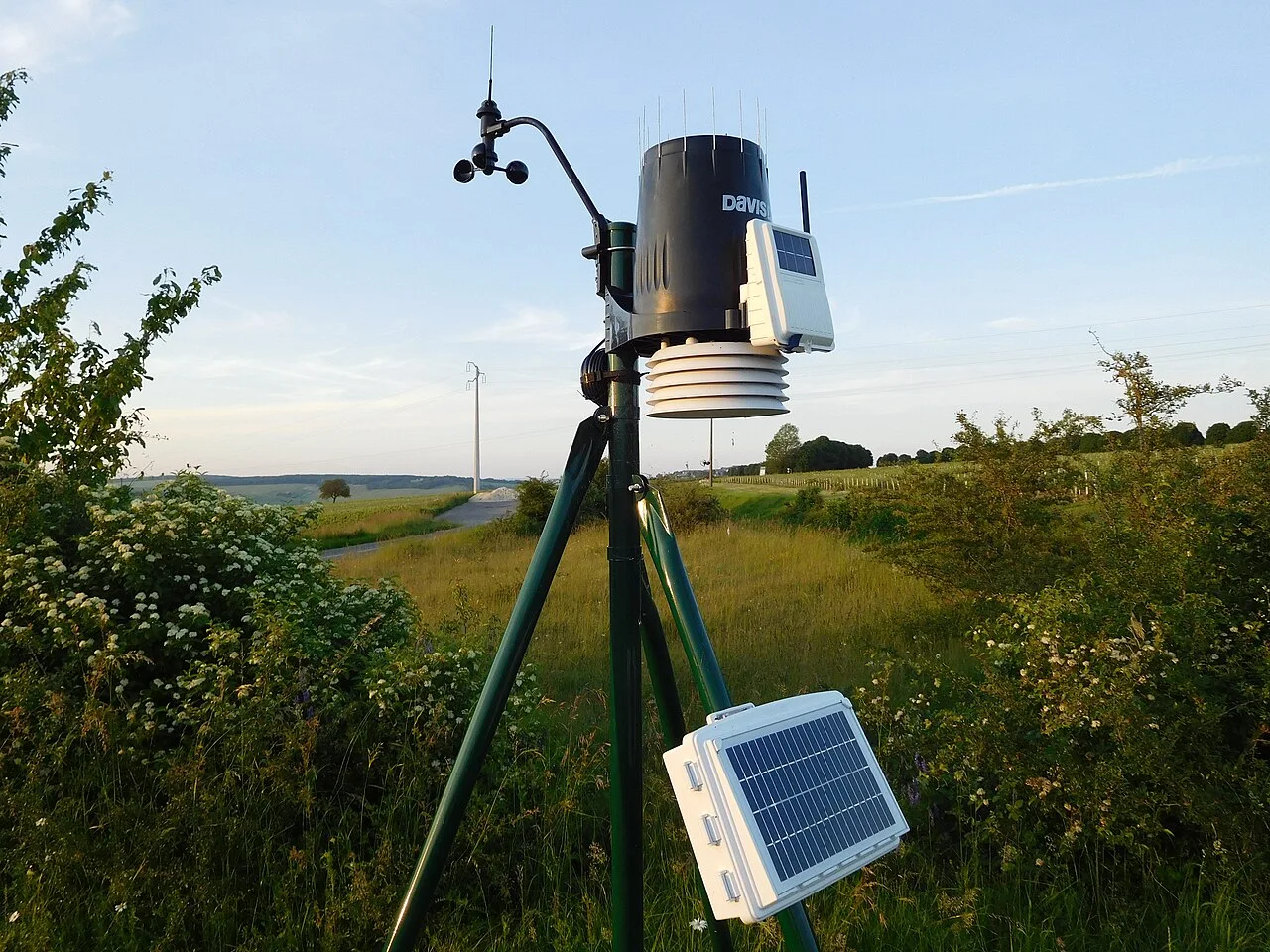
Start with the timescale
Weather describes conditions over a short period, while climate concerns patterns measured over much longer periods. A cold day does not by itself establish a cooling climate, just as one hot afternoon does not describe a long-term trend. Look at the period and geography used in the evidence behind the headline.
Distinguish a forecast from an explanation
A forecast estimates upcoming conditions. An analysis of a past event asks why it happened or how certain factors affected it. Those are different tasks. When a report links an event to a broader trend, look for the research supporting that link and the uncertainty expressed by its authors. Avoid turning a probability statement into an absolute claim.
Use the right information for the decision
For immediate travel or safety choices, consult the latest local official warning. For understanding long-term change, use datasets and assessments that explain their methods. A vivid image can make a story memorable, but it does not establish the cause of an event. Pay attention to whether photographs are from the actual incident or are labelled illustrative. Both can have a place when their role is clear.
Put these questions into practice: Investigation questions climate-panel conflict rules

![The common eelgrass or seawrack - Zostera subg. Zostera marina Linnaeus, 1753[1] Photograph taken in Puget Sound, Edmonds, Washington state, USA (June 7, 2020).](https://nexusnewsalerts.com/wp-content/uploads/2026/09/story-43.webp)
Join the conversation